
Common Docker Vulnerabilities and How to Fix Them
Docker containers have become an increasingly popular way to package and deploy applications, providing a lightweight and portable way to run software in a consistent environment. However, like any other system, Docker containers can be vulnerable to a variety of security issues if not properly configured.
Here are some common vulnerabilities that you should be aware of when using Docker containers …
Unsecured Docker Daemon
The Docker daemon is the central component of the Docker platform, and it is responsible for managing the containers on a host. If the Docker daemon is not properly secured, it can be accessed by unauthorized users, who can then start, stop, and manipulate containers on the host.
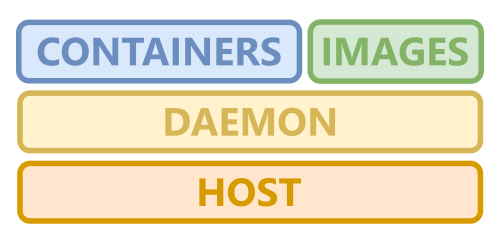
To secure the Docker daemon, you should ensure that it is only accessible to trusted users, and that it is configured to use secure communication protocols, such as TLS or SSH.
Insecure Container Images
Container images are the templates used to create Docker containers, and they contain all of the necessary code and dependencies for an application to run. If an image is built from insecure or untrusted sources, it can contain vulnerabilities that can be exploited by attackers.
To ensure the security of your container images, you should only use images from trusted sources, and ensure that you regularly update them to the latest version.
Misconfigured Container Settings
Docker containers have a variety of settings that can be configured to suit the needs of the application running inside them. However, if these settings are misconfigured, it can expose the container to security risks. For example, if you set the container’s privilege level too high, it could potentially gain access to sensitive system resources.

To avoid these types of issues, you should carefully review and configure the security settings of your containers.
Inadequate Network Security
Docker containers are often deployed in networked environments, and they rely on network communications to function properly. However, if the network is not properly secured, it can allow attackers to access and manipulate containers.

To protect your containers from network-based attacks, you should ensure that your network is properly configured, and use firewalls and other security measures to limit access to trusted users and devices.
Summary
Docker containers are a powerful and convenient way to package and deploy applications, but they can also be vulnerable to a variety of security issues if not properly configured. To protect your containers and the applications they host, you should ensure that the Docker daemon is secure, use only trusted and up-to-date container images, carefully configure the security settings of your containers, and secure your network.
Overall, securing Docker containers requires a combination of strong security practices, regular maintenance, and ongoing monitoring to ensure that vulnerabilities are detected and addressed in a timely manner.
For more content like this follow or contact me:
- Twitter: @BenTorvo
- Email: ben@torvo.com.au
- Website: torvo.com.au
Level Up Coding
Thanks for being a part of our community! Before you go:
- 👏 Clap for the story and follow the author 👉
- 📰 View more content in the Level Up Coding publication
- 🔔 Follow us: Twitter | LinkedIn | Newsletter
🚀👉 Join the Level Up talent collective and find an amazing job